Harper Friedrich · 31 August 2026
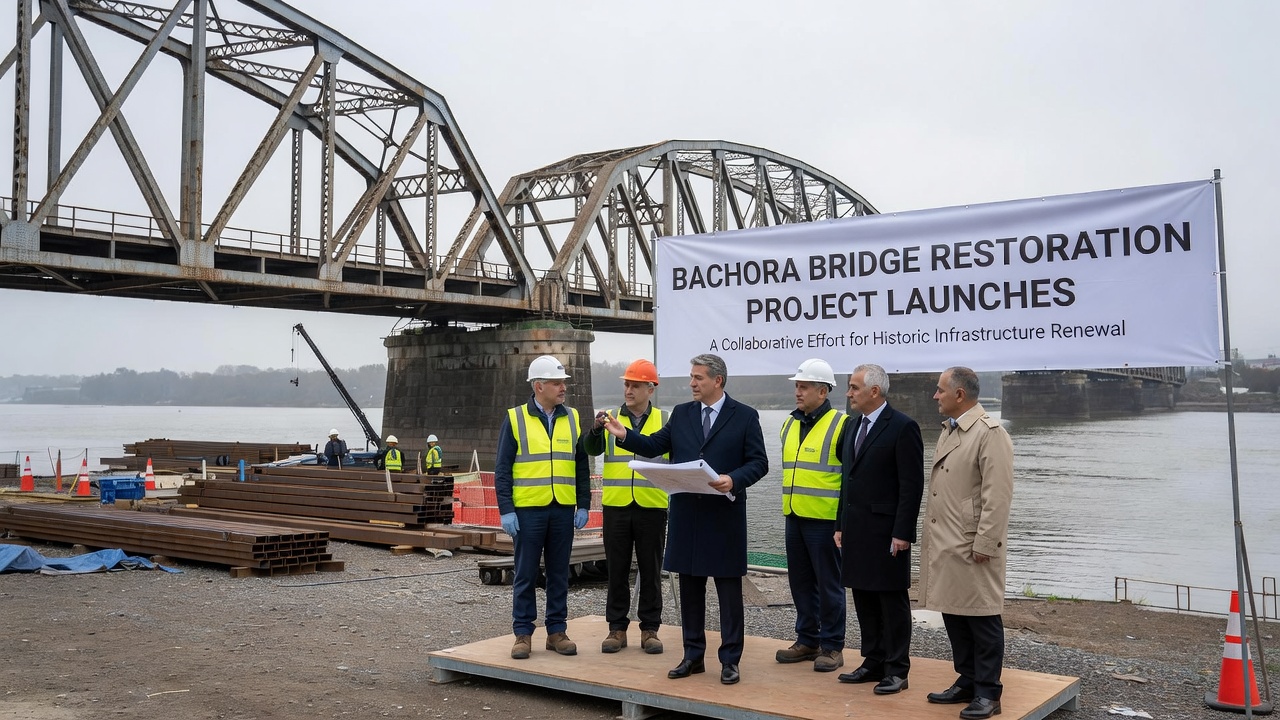
The restoration project for the historic Bachora Bridge has officially launched this month, bringing together experts in engineering, history, and environmental science to revitalize this iconic structure. Located in the heart of the Bachora region, the bridge has long been a symbol of connectivity and progress. The initiative addresses years of wear and tear, ensuring the bridge meets contemporary safety requirements while maintaining its architectural integrity from the late 1800s. Additional studies have confirmed the need for immediate action to prevent further decay.
Project Scope and Historical Context
Built in 1875, the Bachora Bridge facilitated trade routes and community interactions across the river for generations. Its design incorporates Victorian-era elements that are rare in modern infrastructure. Detailed surveys conducted over the past three years identified key areas requiring intervention, including weakened supports and outdated railings. The restoration team will employ traditional techniques alongside advanced technology to preserve these features. This approach not only honors the past but also prepares the structure for future demands, such as accommodating electric vehicles and increased foot traffic from visitors exploring regional attractions. Historians have documented the bridge's role in local folklore and events.
Timeline, Funding, and Local Impact
With a budget of 15 million euros secured through public-private partnerships, the project timeline spans 24 months, divided into four distinct phases to minimize inconvenience. Temporary bridges will be installed to maintain access during critical work periods. Community engagement programs have been established, allowing residents to participate in informational sessions and provide input on aesthetic choices. The completed bridge is expected to enhance economic development by attracting heritage tourism, potentially increasing local revenue by 20 percent. Environmental safeguards include monitoring water quality in the Bachora River and using eco-friendly materials where possible. Officials emphasize that this restoration will serve as a model for similar projects in neighboring areas, promoting sustainable development practices across the region. Additional measures involve training local workers in specialized restoration skills, ensuring long-term maintenance capabilities. Public safety remains a priority with comprehensive risk assessments conducted weekly by independent auditors.