Yara Hoffmann · 24 October 2026
Cellar Chronicles: Bachora Families Catalog Medieval Relics Hidden Beneath Modern Streets
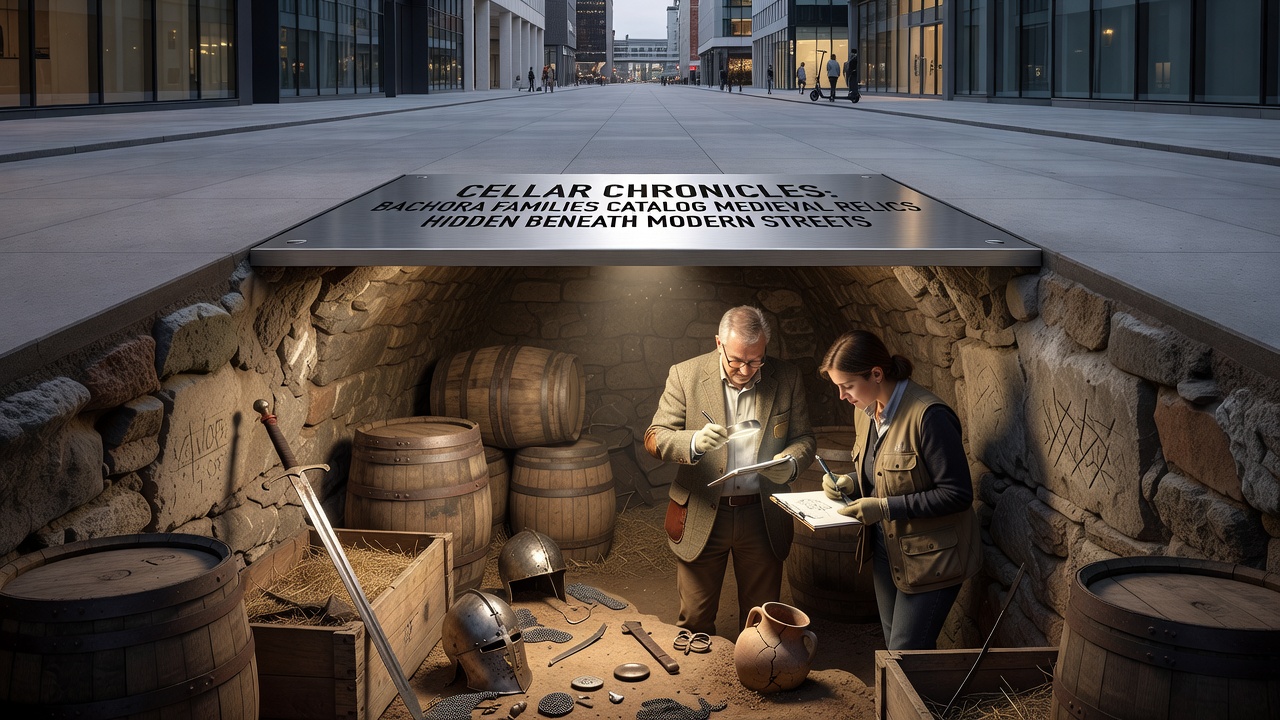
Local families across Bachora have undertaken systematic efforts to document and preserve medieval artifacts stored in cellars that lie directly under present-day streets and buildings, with organized cataloging projects expanding notably through October 2026. These initiatives draw on household records, structural surveys, and coordination with regional heritage offices to track items ranging from pottery fragments to metalwork and inscribed stones that date back several centuries.
Origins of the Cataloging Efforts
Property owners began noticing these relics during routine maintenance and renovations in the early 2020s, and multiple households formed informal networks to share findings rather than treat each discovery in isolation. Researchers from nearby institutions assisted in establishing standardized recording methods that include photography, measurements, and basic material analysis, while families maintained private ledgers that later fed into a shared digital database. Data from these combined records shows that over 300 individual items had been logged by mid-2026, with the majority originating from layers associated with 12th- to 15th-century activity.
Types of Relics and Their Contexts
Artifacts recovered so far include ceramic vessels marked with regional trade symbols, iron tools bearing maker stamps, and fragments of stained glass that align with architectural styles documented in surviving Bachora church records. Observers note that many pieces appear to have been deliberately stored rather than discarded, suggesting earlier generations viewed them as valuable heirlooms or protective objects. One household archive from a property on the former market square lists a collection of 47 coins and seals that experts date to the period when Bachora functioned as a minor trading post along routes connecting the Rhine and Baltic regions.
Methods Families Use to Document Findings
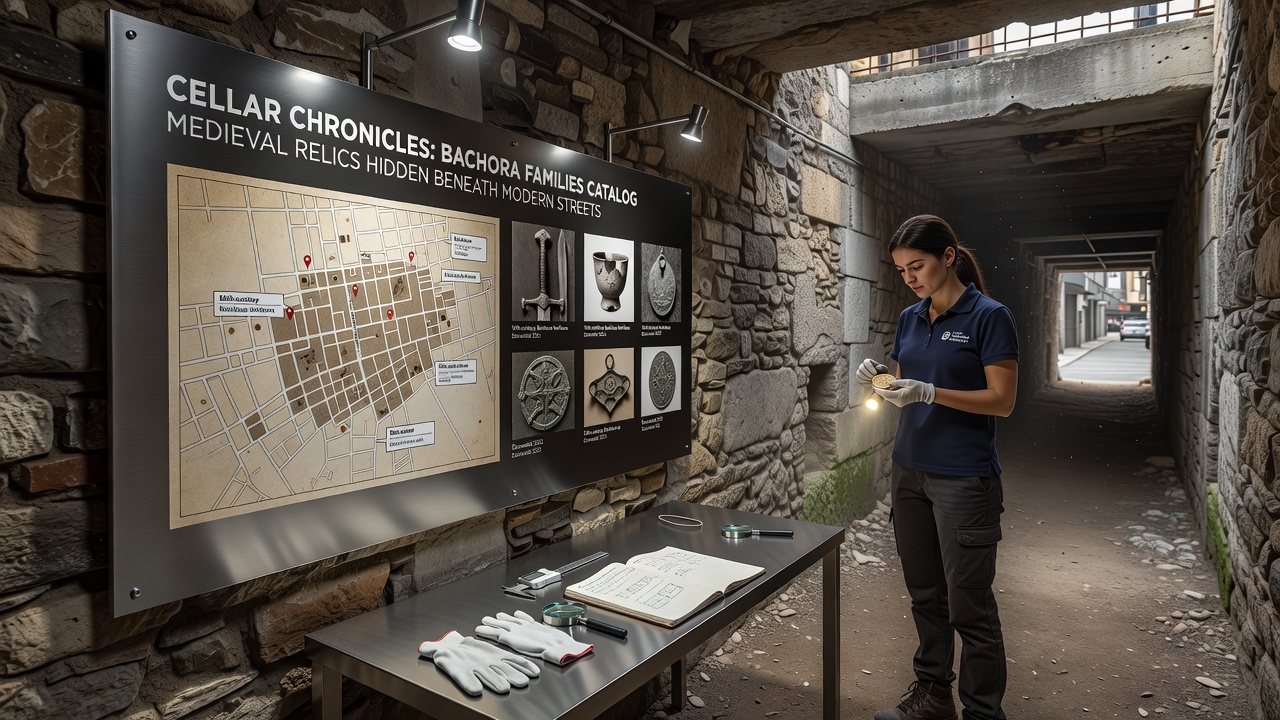
Participants follow protocols developed in consultation with the German Archaeological Institute, which emphasize non-invasive techniques such as 3D scanning of cellar walls and soil sampling without full excavation. Families photograph each item in situ before removal, assign unique identifiers, and upload entries to a central platform that cross-references finds with historical maps. This approach allows researchers to trace patterns across multiple sites while preserving context that would otherwise be lost during individual renovations.
Role of Community Networks and External Support
Coordination among families expanded when several property owners invited university students to assist with transcription of handwritten cellar inventories that date back to the 1800s. These documents often list items passed down through generations alongside notes on their supposed origins or protective uses. External partnerships have included guidance from the European Commission cultural heritage programs, which supplied template forms for condition reporting, and reference materials from the Smithsonian Institution collections database that help identify comparable pieces from other medieval European sites.
Training sessions held in Bachora town hall during 2025 and 2026 covered basic conservation practices such as humidity control and secure storage, and participating households received small grants to purchase archival materials. Figures released by the regional heritage authority indicate that participation grew from 12 families in 2024 to 47 by October 2026, reflecting increased awareness after local media coverage highlighted several notable finds.
Integration with Broader Heritage Research
Catalog entries now contribute to studies examining how medieval trade goods moved through inland settlements like Bachora, and preliminary comparisons with pottery from coastal excavations suggest shared supply chains that extended further than previously mapped. Those managing the database have begun linking individual records to geospatial layers that overlay modern street plans with reconstructed medieval layouts, allowing analysts to identify clusters of similar artifacts that may mark former workshops or storage areas. This layered mapping continues to evolve as new entries are added each month.
Conclusion
The ongoing work by Bachora families demonstrates how private property holders can contribute structured data to public heritage records without large-scale institutional excavation. Continued cataloging through late 2026 and beyond is expected to refine understanding of the town's medieval material culture while providing practical conservation guidance that other communities facing similar subsurface finds can adapt.