Harper Friedrich · 12 September 2026
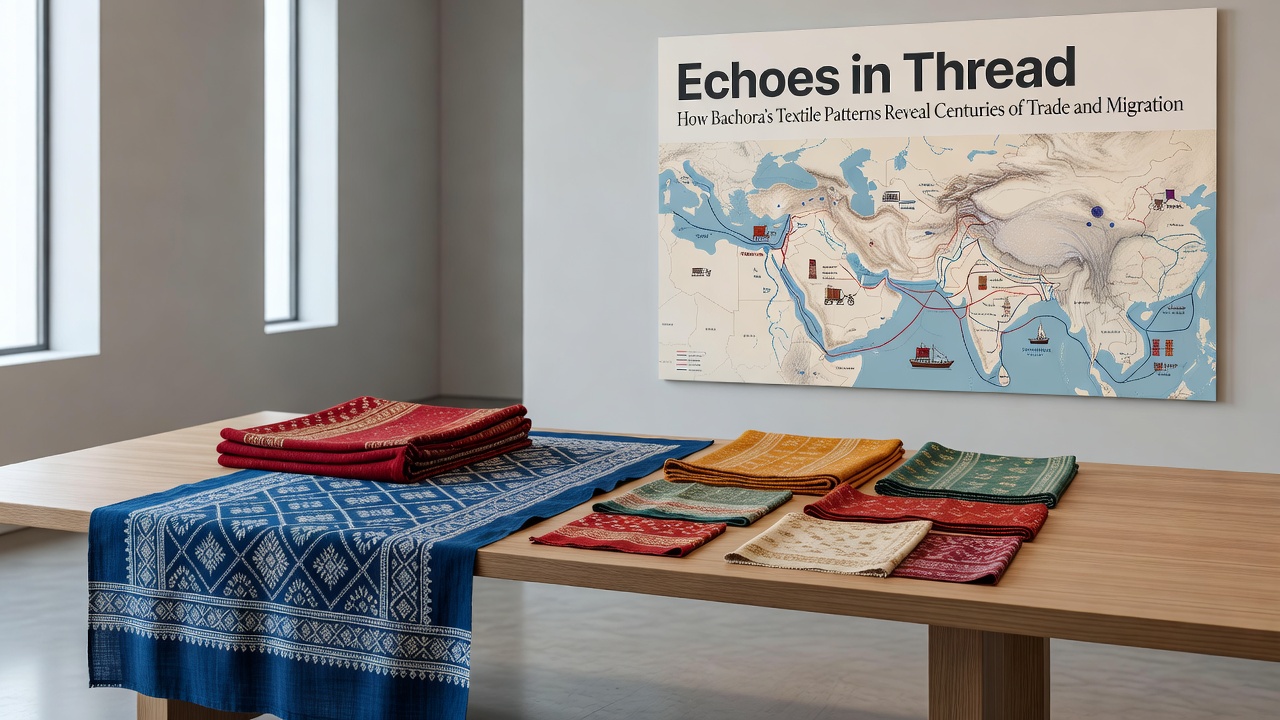
Echoes in Thread: How Bachora's Textile Patterns Reveal Centuries of Trade and Migration
Bachora's textile traditions carry layered histories that trace back through multiple centuries of exchange along established commercial corridors, and researchers continue to map these connections through careful analysis of surviving fabrics and production techniques. Patterns found in local weaves incorporate elements from distant regions, while the materials themselves often originate far beyond the immediate area, and this combination points to sustained contact rather than isolated development.
Tracing Early Trade Networks
Archaeological finds from sites near Bachora show fragments of cloth featuring repeating diamond and chevron designs that match motifs documented in 14th-century records from Central Asian caravan routes, and similar structures appear in samples preserved in European collections. These designs traveled alongside spices, metals, and dyes, and evidence indicates that weavers adapted incoming patterns to local looms without losing core structural elements. Migration of artisans played an equal role, since guild records from the 1500s list families relocating from Mediterranean ports to inland workshops, bringing both skills and symbolic vocabulary that later merged with established Bachora styles.
Material Evidence and Pattern Evolution
Thread composition provides additional confirmation of long-distance movement, with cotton fibers sourced from South Asian harvests appearing alongside wool from Anatolian flocks in the same garments, and chemical analysis conducted by laboratories in multiple countries confirms these mixtures date to at least the early 1600s. Color palettes further document the exchange, since indigo derivatives from the Indian subcontinent combine with madder-based reds originally traded through Ottoman networks, and the resulting combinations remain visible in pieces still held by local families. Observers note that certain border motifs shift gradually across generations, incorporating new curves or symmetries that align with documented influxes of traders from the Baltic region during the 1700s, and this incremental change illustrates adaptation rather than abrupt replacement.
By the 19th century, printed pattern books circulated through Bachora markets, and these volumes contained illustrations drawn from both European and North African sources, while surviving examples show annotations in local dialects that record which combinations sold best to particular merchant groups. Data from customs ledgers kept at nearby ports reveal steady imports of silk threads from East Asian suppliers, and these same ledgers list exports of finished Bachora cloth that carried the blended designs onward to new destinations.
Documented Migration Routes and Cultural Exchange
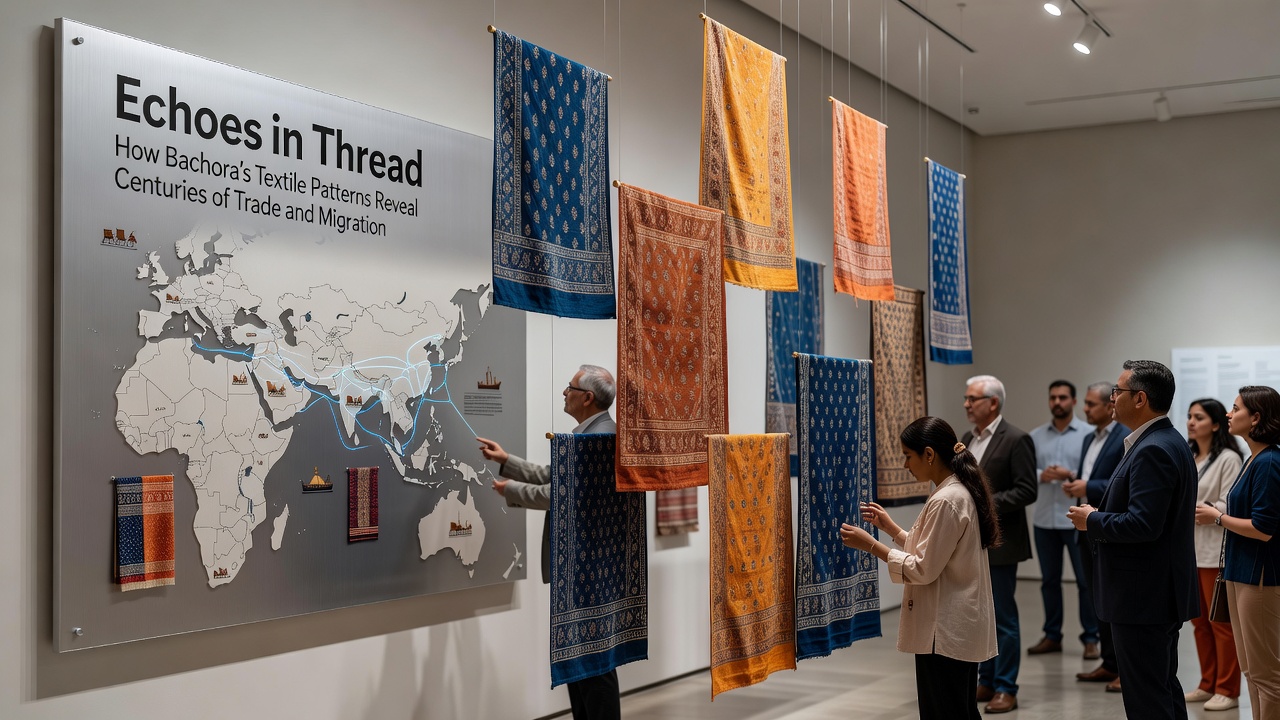
Population movements during the 18th and 19th centuries introduced additional layers, and parish registers list arrivals from regions along the Danube corridor whose household inventories included textile tools and pattern samples that match elements still produced locally today. Researchers at institutions across Europe and North America have cross-referenced these records with fabric samples, and the matches demonstrate how portable weaving knowledge traveled with displaced communities. In September 2026, a collaborative catalog project scheduled to launch at a regional museum will present digitized versions of these pattern books alongside isotopic data from thread samples, allowing further comparison across collections held in Canada and Australia.
Contemporary studies continue to identify parallels between Bachora border designs and those found in West African strip-weaving traditions, and oral histories collected from descendant families describe seasonal traders who returned with both finished cloth and new techniques that were then integrated into local production. The persistence of specific knotting methods across these geographies points to repeated contact rather than coincidence, and quantitative analysis of thread density supports the timeline of these exchanges.
Preservation Efforts and Ongoing Research
Conservation programs now focus on documenting the full range of surviving textiles before further degradation occurs, and teams from several universities have begun compiling databases that link individual pieces to specific trade routes through material sourcing. One study released last year by a German research institute compared dye residues across 200 samples and found consistent evidence of multiple origin points within single garments, and similar work conducted in Australia has examined how climate conditions in storage affect pattern visibility over time. These parallel projects together strengthen the overall picture of interconnected production histories.
Conclusion
The textile record from Bachora therefore functions as a durable archive of movement and commerce that spans continents, and continued analysis of both physical fabrics and associated documents promises to refine the map of these historical connections. New exhibitions and digital resources planned for 2026 will make additional primary materials available for comparison, while existing data already establishes clear pathways linking local patterns to broader networks of exchange.