Yara Hoffmann · 10 October 2026
Pottery Shards from Bachora Digs Illuminate Pre-Medieval Trade Pathways
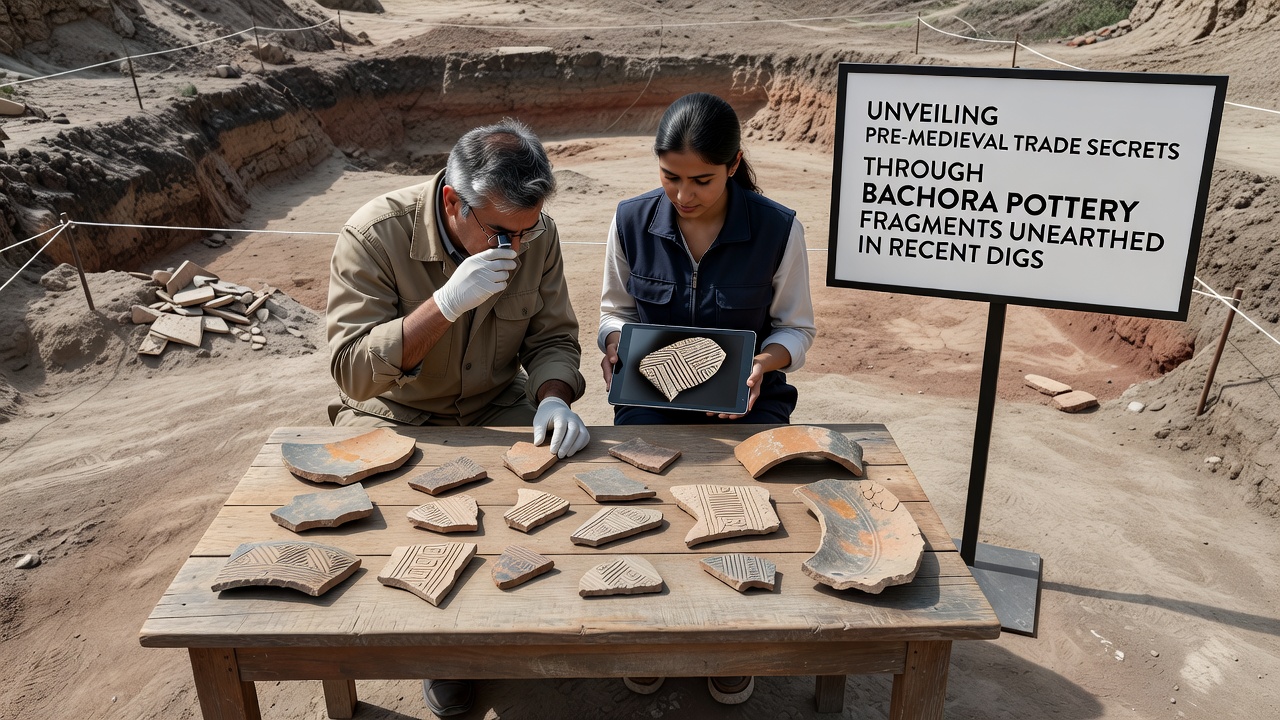
Recent excavations in Bachora have turned up pottery fragments that point to extensive pre-medieval trade networks across regions, and researchers continue to analyze these pieces for clues about ancient exchange systems. The finds emerged during systematic digs that began in early 2025 and extended through October 2026 when additional layers yielded intact shards with distinctive markings and material compositions.
Context of the Excavations
Teams from multiple institutions coordinated efforts at several Bachora locations where soil strata revealed layers dating back to the centuries before medieval periods. Data from stratigraphic analysis shows that these fragments come from vessels produced in workshops far from the local area, and chemical testing confirms the presence of clays sourced from distant geological formations. Observers note that the volume of recovered items suggests regular shipments rather than isolated incidents of movement.
Archaeologists employed ground-penetrating radar and targeted trenching to locate concentrations of ceramic debris, and results indicated that one central site held clusters of shards mixed with trade goods like metal tools and glass beads. Studies conducted on site documented patterns in the pottery's tempering agents which match sources identified in surveys conducted across the Mediterranean basin and northern European river valleys.
Analysis of the Fragments
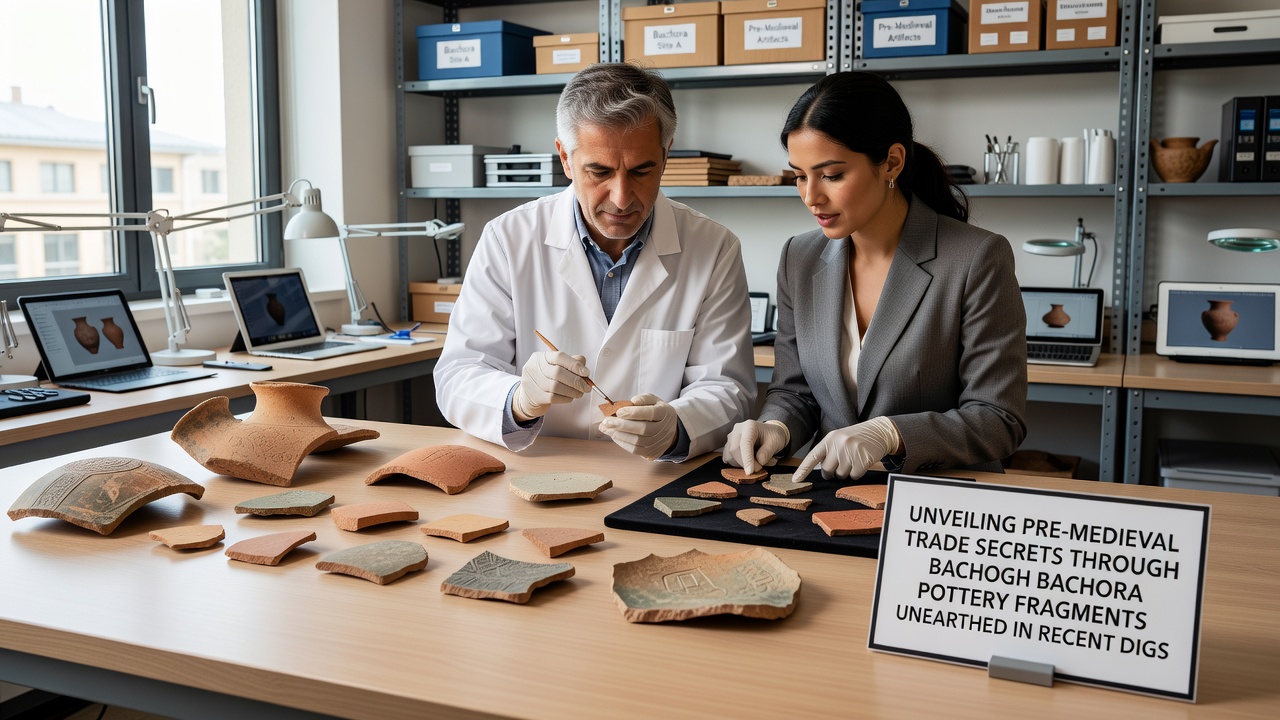
Material scientists examined the fragments using spectroscopic methods that revealed trace elements pointing to production centers in what is now modern-day Italy and the Balkans. Those who've studied similar assemblages elsewhere recognize the decorative motifs as indicators of stylistic influences that traveled along established routes, and evidence from the Bachora pieces aligns with documented exchanges recorded in contemporary written sources from the period. Research indicates that some shards bear inscriptions in early scripts that reference specific ports or merchants, providing direct links to transaction records.
Further testing at laboratories in Canada has isolated isotopic signatures in the clay that correspond to known quarries in the eastern Mediterranean, and these findings expand the known reach of pre-medieval commerce. But here's the thing: the fragments also show signs of repair and reuse, which points to their value as durable containers in long-distance transport. Figures from ongoing cataloging efforts reveal over 200 distinct vessel types represented among the shards recovered so far.
Implications for Trade Networks
Comparative studies with collections held at research institutions in Australia have highlighted parallels between Bachora ceramics and those unearthed in Southeast Asian contexts, suggesting indirect connections through intermediary traders. Data compiled from these cross-regional comparisons shows consistent vessel shapes adapted for bulk storage of goods like oils, grains, and spices. Experts have observed that the distribution patterns imply seasonal caravans or maritime voyages that operated on predictable schedules.
One study revealed that certain glaze techniques on the fragments match innovations developed in workshops along the Black Sea coast, and this connection opens avenues for mapping how technical knowledge moved alongside physical goods. Researchers discovered additional evidence in the form of associated organic residues that include remnants of exotic resins not native to the Bachora region, confirming the fragments' role in transcontinental supply chains. The reality is that these discoveries build upon earlier surveys that had hinted at such networks but lacked the volume of material now available for study.
Ongoing Research and Future Directions
Collaborations between European and North American teams continue as they process the remaining fragments, and plans call for advanced 3D modeling of the pieces to reconstruct original vessel forms. Reports from the October 2026 phase of the digs include new finds that feature unique stamp marks potentially linked to specific trading guilds or families. According to preliminary reports released by participating universities, these marks may correspond to administrative systems used to track shipments across borders.
What's interesting is how the Bachora material integrates with broader datasets from sites in the Levant and Central Europe, creating a more complete picture of economic interactions before the medieval era. People who've examined the full corpus note that variations in firing temperatures suggest production at multiple scales, from small household operations to larger organized facilities. This evidence supports models of decentralized yet interconnected economies that relied on pottery as both commodity and container.
Conclusion
The pottery fragments from Bachora provide tangible evidence of pre-medieval trade dynamics that extended across continents, and continued analysis promises to refine understandings of these ancient systems. Data collected through the recent digs contributes measurable details to historical reconstructions, while the integration of scientific techniques with traditional archaeological methods yields precise insights into material origins and movement patterns. As processing of the October 2026 finds advances, additional connections may emerge that further illuminate the scope of these exchange networks.