Harper Friedrich · 26 September 2026
The Language of Stones: Decoding Inscriptions Found in Bachora's Oldest Structures
Bachora's oldest structures stand as repositories of carved symbols and scripts that span multiple centuries, and researchers continue to examine these markings for clues about early trade routes, governance systems, and cultural exchanges. Teams from regional universities have documented hundreds of inscriptions across foundations, archways, and boundary stones, applying techniques that range from photogrammetry to comparative linguistics. Data from ongoing surveys show that many of these markings date between the 8th and 14th centuries, with recurring motifs that suggest shared alphabets among neighboring settlements.
Early Documentation Efforts
Systematic recording began in the late 19th century when local historians first catalogued visible carvings on the central citadel and surrounding walls. Subsequent projects in the 1970s expanded the inventory by using early photographic methods, yet limited technology left many faded characters unreadable. Modern teams now combine high-resolution imaging with databases maintained by the Canadian Museum of History, allowing cross-referencing against similar finds in northern Europe and the Mediterranean basin. Figures from recent fieldwork indicate that approximately 340 distinct symbols appear across 27 sites, and analysis points to at least three separate script families rather than one unified language.
Decoding Methods and Tools
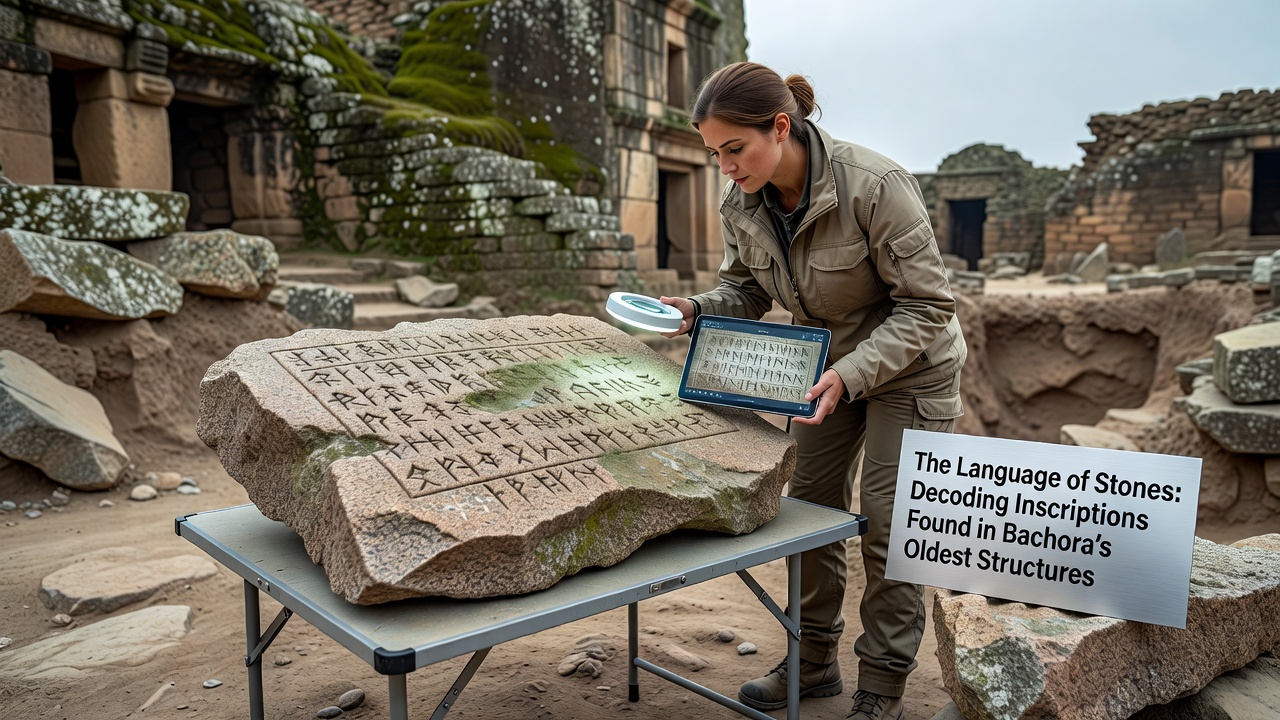
Epigraphers employ a multi-stage process that starts with surface cleaning followed by multispectral photography to reveal underlayers of pigment or incision. Algorithms developed at the University of Melbourne help isolate character shapes and compare them against digitized corpora from other regions, while three-dimensional scans capture depth variations that two-dimensional images miss. Researchers note that certain repeated sequences correspond to personal names or place references, and statistical modeling of letter frequency has narrowed possible phonetic values. In September 2026, a collaborative workshop will bring together specialists from Australia, Canada, and the European Union to test new pattern-recognition software on previously undeciphered panels located near the old market quarter.
Key Discoveries and Patterns
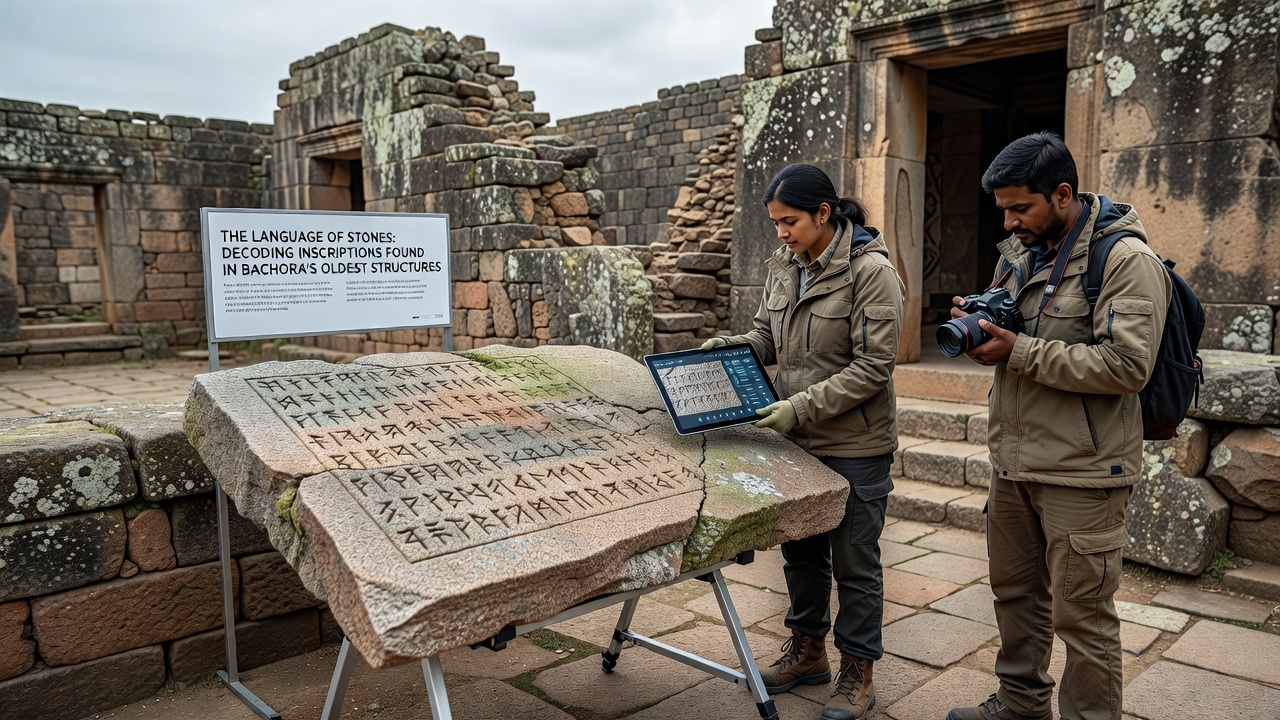
One cluster of inscriptions on the eastern gatehouse records what appears to be a sequence of land grants, and cross-checks with archival documents from the 12th century support this interpretation. Another set found on foundation stones of the northern watchtower uses a different character set that aligns with runic variants documented in Scandinavian collections. Observers note that symbols resembling merchant seals appear alongside numeric tallies, suggesting the stones served as public ledgers for transactions. Evidence collected during 2024 excavations further reveals that some inscriptions were recarved over older layers, indicating periods of reuse or political change. Those who've studied the full corpus point out that the absence of certain vowels in shorter texts may reflect abbreviated administrative shorthand rather than a distinct dialect.
Regional Comparisons and Influences
Comparisons with inscriptions catalogued by the Australian Institute of Aboriginal and Torres Strait Islander Studies highlight parallel approaches to recording seasonal events and resource allocations, although the Bachora examples remain distinct in their geometric framing. Scholars working with the Smithsonian Institution have contributed reference materials on similar stone carving traditions in Central Asia, and these materials help place Bachora's finds within broader Eurasian networks. Data released in 2025 by a joint EU heritage project show that trade goods mentioned in the stones match archaeological finds of pottery and metalwork from the same period. Yet variations in carving depth and tool marks suggest multiple workshops operated simultaneously, each with slight stylistic preferences that complicate uniform translation efforts.
Challenges in Interpretation
Weathering, later repairs, and deliberate defacement have erased portions of many texts, forcing researchers to rely on contextual reconstruction. Limited surviving bilingual inscriptions hinder direct translation, and debates continue over whether certain symbols function as logograms or phonetic signs. Field reports emphasize the need for additional stratigraphic dating to establish chronological sequences, because surface erosion often masks the original order of carving. Teams therefore combine epigraphic data with pollen analysis and ceramic typology to build more reliable timelines.
Conclusion
Continued documentation and technological refinement promise incremental progress in reading Bachora's stone records, and upcoming international meetings in September 2026 will likely accelerate shared methodologies. The inscriptions already provide concrete evidence of administrative practices, linguistic diversity, and long-distance contacts that shaped the settlement's development. As more panels undergo detailed scanning and comparative study, the cumulative record strengthens understanding of how early communities used durable media to preserve information across generations.